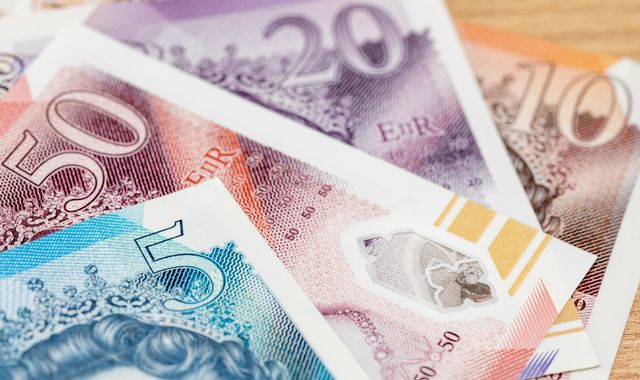
A third consecutive monthly increase, from 3.1% to 3.5%, has been revealed by the Office for National Statistics (ONS).
A rise to 3.4% had been forecast by economists, meaning this is a bigger increase than what was expected.
Click here for the latest consumer tips and tricks
It takes the rate to its highest level since last October.
The ONS said rising fuel prices continued to drive the figure up in September.
Diesel hit a record level late that month (but after the ONS took its readings) as the squeeze on global supplies intensified amid the Middle East conflict and Russia-Ukraine war.
ONS chief economist Grant Fitzner said: ”Inflation climbed notably in September to its highest annual rate in almost a year.
“Increased fuel prices were again the main driver, with the cost of diesel the highest since July 2022.
“Other upward pressures included airfares and, to a lesser extent, computer games and live events, which are often volatile.
“These were partially offset by the cost of hotel stays, where prices rose by less than this time last year. The annual cost of both raw materials and goods leaving factories continued to rise, driven by higher crude oil and petrol prices, respectively.”
The final line of that commentary tells us all we need to know about the outlook for inflation. It’s up.
Could upcoming budget help with rising inflation?
The ONS has already pointed to rising costs of raw materials and higher prices for goods leaving factories.
It reflects higher energy and fuel costs for businesses to grapple with – costs that are likely to be passed on to consumers.
Let’s consider the other upward pressures. Next month’s inflation figures will also reflect the 4% hike in the energy price cap.
Read more from Money:
How to track down lost pension pots
What you need to know about new Help to Buy scheme
Builder on how to add value to your home for little cost
Gas and power suppliers have been forecasting a rise in the cap, from January, of at least a further 20%.
Some help should come next week from the budget.
The chancellor may choose to postpone planned fuel duty hikes – or even cut the level.
Targeted help with energy bills, such as for those on means-tested benefits, is tipped too.
Those actions, if realised, would not have much of an effect on the consumer price index measure of inflation.
It now seems likely to exceed 4% by the end of the year.